Guide · Updated August 4, 2026
Memory Care in Venice, Florida
What secure dementia care includes, what it costs in Venice, and how to choose a community.
Memory care in Venice, FL costs roughly $3,300–$5,000 per month depending on community and suite type, against an area average near $4,951. Venice has both large purpose-built communities and small secured homes — Venice Green Village (16–30 units, 2745 E. Venice Ave., Venice, FL 34292) is the best-known of the small ones.
What memory care actually includes
Memory care is not assisted living with a locked door. A properly run dementia program means staff trained specifically in Alzheimer's and related dementias on site 24/7, a secured building and courtyard designed to prevent unsafe wandering, structured daily programming that works with — not against — cognitive decline, and care plans rebuilt as the disease progresses.
Venice Green Village's former website described exactly this model: a personalized assessment before move-in producing an individual care plan, specially trained staff on site around the clock, and a Montessori-method program — an approach that uses familiar, purposeful activity to reduce agitation and preserve independence longer.
Daily life and activities
In a small community, programming follows the residents rather than a fixed calendar. Reviewers of Venice Green Village on A Place for Mom repeatedly describe staff who know every resident personally — the practical advantage of a 16–30 unit building over a 100-bed wing. Larger Venice communities counter with more varied facilities: bistros, salons, therapy gyms. Neither model is better in the abstract; they suit different people.
Staffing and safety questions to ask
Florida licenses assisted-living facilities through AHCA, with specialty licences (Extended Congregate Care, Limited Nursing Services) governing what care a building may legally deliver. On any tour, ask: What is the staff-to-resident ratio on days, evenings and overnight? Which specialty licences does the building hold, and can it retain residents as needs increase? What triggers a discharge? How are falls and elopement attempts handled and reported? Verify any licence on floridahealthfinder.gov before signing.
The Montessori method in memory care
Venice Green Village's former site made a specific claim worth explaining: a Montessori-method program. Applied to dementia care, the Montessori approach — championed in eldercare by Cameron Camp's research — replaces passive supervision with purposeful, familiar activity matched to remaining abilities: setting a table, folding, sorting, gardening. The clinical logic is that procedural memory outlasts episodic memory, so tasks a person has done for sixty years remain achievable — and achievability reduces the agitation that drives most difficult behaviour. On a tour, the test of whether a Montessori claim is real: residents should be visibly doing things, not watching television in a circle.
What a secured environment should actually mean
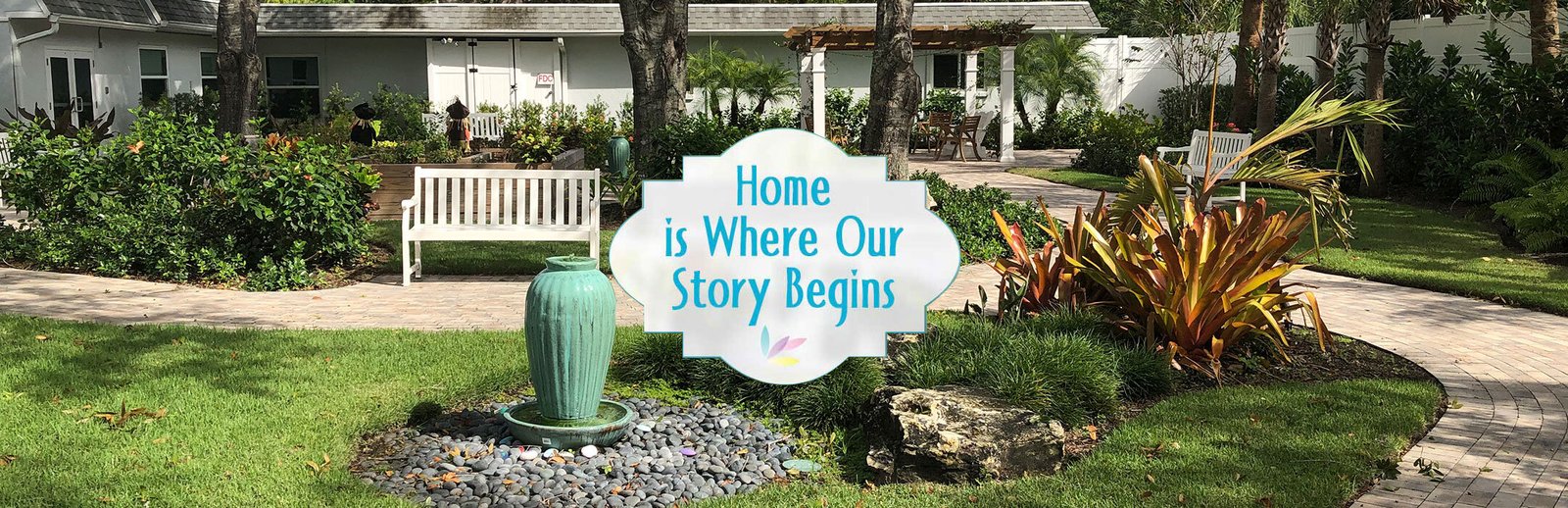
Every memory-care building will tell you it is “secure.” The specifics that matter: delayed-egress or coded doors on every exit including to parking; a secured outdoor courtyard, because access to safe outdoor space reduces exit-seeking rather than merely blocking it; line-of-sight sightlines from staff areas; and an elopement drill protocol staff can describe without hesitation. Ask when the last elopement attempt happened and what changed afterwards — a building that claims it has never had one is describing its record-keeping, not its residents.
Suites and pricing in Venice
| Option | Typical monthly cost | Source |
|---|---|---|
| Venice Green Village (listed range) | $3,300–$3,800 | carechanges.com |
| Venice Green Village (other directory anchor) | from ~$4,200 | directory data |
| Venice-area memory-care average | ~$4,951 | carechanges.com area data |
| Large purpose-built communities | often $5,000+ | directory listings |
Two cautions. First, quoted base rates rarely include care levels, medication management or incontinence supplies — ask for the all-in figure at your loved one's assessed level. Second, directory prices lag reality; treat every number above as a starting point for the conversation, not a quote.
Admissions, step by step
The sequence at most Venice communities: an inquiry call and tour → a pre-admission assessment (in person, by the community's nurse) → Florida's required AHCA Form 1823 health assessment completed by a physician → care-plan and rate confirmation → contract and move-in date. From first call to move-in can run under two weeks when a bed is open, so have the physician paperwork moving early.
The paperwork, specifically
Have ready: the AHCA Form 1823 (Florida's resident health assessment, signed by a physician within 60 days of admission), a current medication list with prescriber details, insurance and pharmacy information, durable power of attorney and healthcare surrogate designations, and any advance directive. Communities cannot legally admit without the 1823, and the physician appointment is usually the slowest step — book it the week you start touring, not the week you choose.
Where Venice Green Village fits
Choose it for the small-building model: one secured home, staff who know everyone, strong family reviews (4.9/5 across 54 on A Place for Mom), and listed pricing at or below the area average. Weigh against it: limited unit count means real waitlist risk, and fewer big-community amenities. Alternatives worth touring for comparison include Windsor of Venice, Venice Palms, Aston Gardens at Pelican Pointe and Grand Living at Wellen Park — see the assisted-living guide for the wider market.
Frequently asked questions
How much does memory care cost in Venice, FL?
Directory data puts the Venice-area memory-care average near $4,951 per month. Individual communities vary widely: Venice Green Village is listed at $3,300–$3,800 per month by carechanges.com, with other directory data from around $4,200. Always confirm current rates and what they include.
Does Florida Medicaid pay for memory care?
Florida's Statewide Medicaid Managed Care Long-Term Care program can help pay for care in an assisted-living or memory-care setting for those who qualify medically and financially, but it does not cover room and board, and many communities accept it only after a private-pay period. Ask each facility directly.
What is the difference between memory care and assisted living?
Memory care is a secured environment with staff trained specifically for dementia and Alzheimer's, structured programming, and wander-prevention design. Assisted living supports daily activities but is not secured and does not assume cognitive impairment.
What should families bring when moving someone into memory care?
Communities typically ask for comfortable familiar clothing, photos and small familiar objects, current medication lists and physician orders, and legal documents (POA, healthcare surrogate). Each facility issues its own checklist at admission.
Do Venice memory-care communities have waitlists?
Smaller communities often do. Venice Green Village is listed at 16–30 units, and small memory-care homes in Sarasota County frequently run at or near capacity — ask about the waitlist on your first call.
What are the visiting hours at memory-care facilities?
Most Venice communities accommodate daily visiting with reasonable hours and sign-in; policies vary by facility and can tighten during health events. Confirm the current policy directly with the community.
Last updated August 4, 2026. Facility details are compiled from public directory listings (US News, A Place for Mom, FALA, Yelp, carechanges.com) and were accurate at review time. Pricing, availability and licensing change — verify directly with any facility before making decisions. Sources: AHCA licensing rules, Florida DOEA, Alzheimer's Association care guidance, and the directory listings named above. This independent guide welcomes corrections.